When you’re standing in the camping aisle or scrolling online, it’s tempting to grab the cheap tent with flashy marketing and a long list of features. But in the backcountry — where storms, wind, cold, and miles of rugged terrain test every piece of gear — the “cheap tent” often becomes the most expensive mistake.
High‑end shelters like those from Seek Outside cost more upfront, but they’re engineered for performance, longevity, and safety in real wilderness conditions. This article breaks down the true cost of a cheap tent vs. a premium ultralight shelter, so you can make an informed decision before your next adventure.
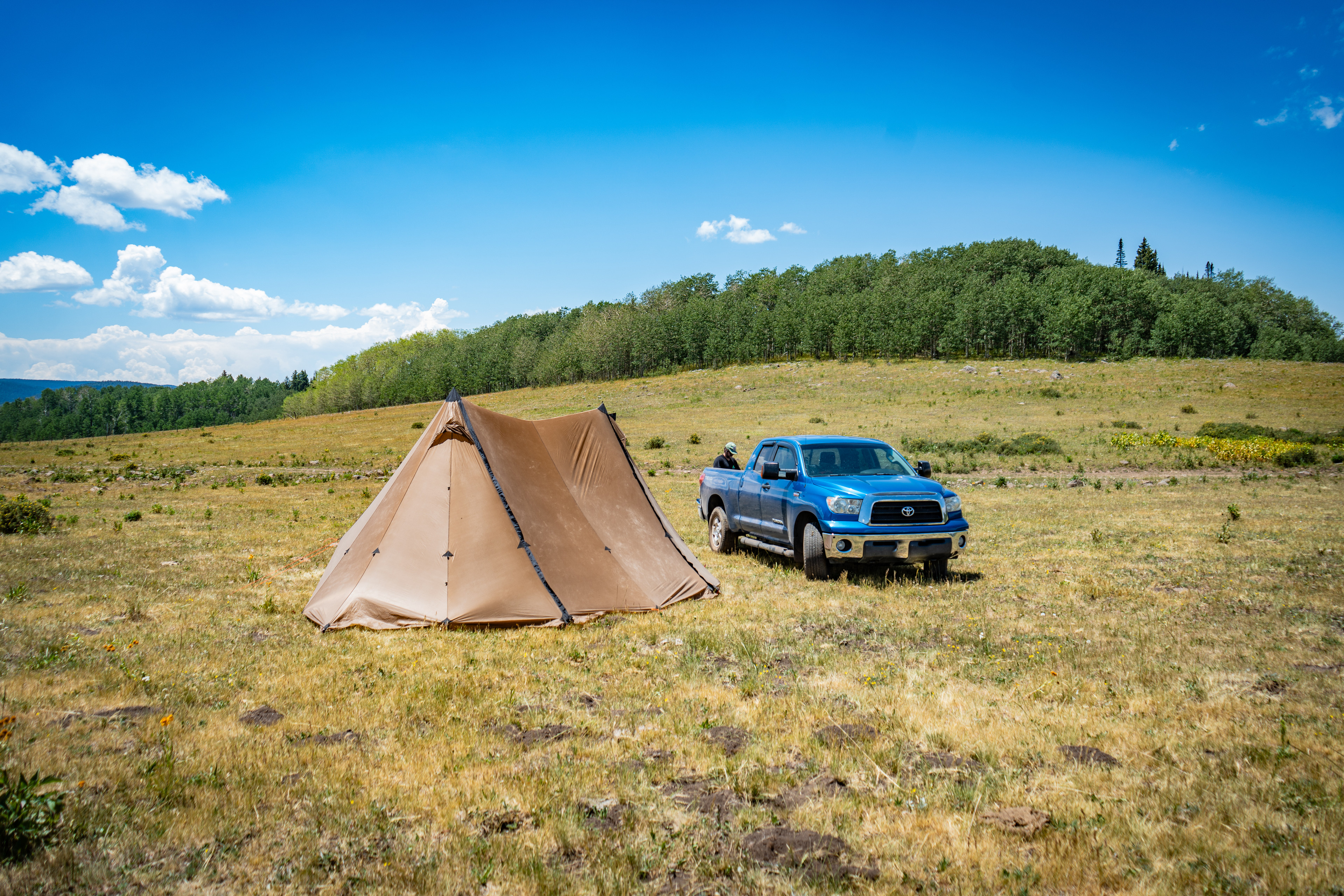
Cheap Tent vs. High‑End Tent: The Visual Difference
A cheap shelter looks good from the outside, 150 dollars? Easier on the wallet? Similar features? Seems like a no brainer. Here’s why it will hurt your wallet more than you think it will
1. Upfront Price vs. Lifetime Cost
Cheap Tent
- Lower upfront cost ($50–$250)
- Short lifespan — often 1–3 seasons
- Prone to broken zippers, bent poles, torn mesh, and seam failures
- Replacement cycle becomes expensive over time
High‑End Tent (Seek Outside)
- Higher upfront cost ($300–$900 depending on model)
- Built to last years or decades, not seasons
- Premium materials like silnylon, Dyneema
- Affordable In shop repairs, lifetime warranty from defects, USA made.
The Real Cost
Lets say you get 30 days out of 250 dollar tent, that breaks down to 8 dollars per night. Pretty cheap right? Now lets take our Cimarron 4p, roughly 500 dollars. Say you get 200 + nights out of your shelter (which is very very common) your price comes out to $2.50 per night. Here’s the real kicker. Let’s say your high ended tent (Cimarron) needs a few repairs, both zippers replaced, a hole or two patched… Our average repair cost for that would be $50.00 now its good for another 200 nights. All in your 550 dollars into a tent for 400+ nights in the woods which breaks down into $1.25 per night. We’ve had people stay years in our high end tents without issues, under full sun, rain, snow, and extreme winds.
2. Performance in Real Weather: Where Cheap Tents Fail
Cheap Tent
- Struggles in high winds
- Poles snap under load, nearly impossible to replace.
- Fabric ages from UV radiation, tears, and leaks as the low quality fabric coating fails
- Snow loads collapse the structure, as the poles are weak
High‑End Tent
Seek Outside shelters are designed to survive remote fly in trips, were reliability is paramount
- Our Custom Cordura Spec Rip Stop Sil-Nylon and heavy duty Dyneema fabrics shed water and resist stretch
- Our Ultra Reinforced Heavy DutyUpper Guy‑out geometry increases stability in winds, rain and snow
- Hot‑tent compatibility keeps you warm and dry no matter the weather
- Our designs shed snow instead of collecting it
- Ventilation systems reduce condensation dramatically
The Real Cost
A failed tent in a storm isn’t just inconvenient — it can be dangerous. Wet gear, hypothermia risk, and forced evacuation are expensive consequences. Especially if your hunt or trip is costing you time off of work, and travel. Failure is and shouldn’t be an option.
3. Weight vs. Durability
Cheap tents are often heavier, you’d think this means more durable right?.
Cheap Tent
- Thin fiberglass poles
- Weak easily tearable fabrics
- Minimal reinforcement
- Poor under engineered stitching
These materials and construction fail under standard uses
High‑End Tent
Seek Outside shelters balance ultralight performance with expedition‑grade durability.
- Strong and lightweight Carbon Fiber poles
- Ultra heavy duty reinforced stake loops
- High‑strength Custom Sil-Nylon or Dyneema fabrics
- Modular design with options of nests, liners, and floors
The Real Cost
A cheap ultralight tent seems cheaper — until you add repair tape, extra guylines, emergency shelters, or the cost of replacing it mid‑season.
4. Comfort, Space & Livability
Cheap Tent
- Tight interiors
- Low ceilings
- Limited vestibule space
- Poor ventilation
- Not designed for tall users
High‑End Tent
Seek Outside shelters prioritize livable space, even for tall users.
- Standing room in models like the Redcliff
- Huge headroom in the Cimarron
- Spacious solo shelters like the Brightwater
- Dual vestibules in the Sillex 2.0
- Modular nests for bug protection
The Real Cost
Comfort matters. A cramped, wet, poorly ventilated tent leads to bad sleep, low morale, and shorter trips.
5. Hot‑Tent Capability: A Game‑Changing Advantage
Cheap tents melt, burn, or fail when exposed to heat. They are not designed for stoves.
Seek Outside shelters are engineered for safe hot‑tenting:
- Heavy‑duty stove jacks
- Titanium stove compatibility
- Snow‑shedding teepee geometry
- Ventilation systems that manage heat and moisture
The Real Cost
A hot tent extends your season, lets you stay out longer, keeps you warm, dries gear, and increases safety. Cheap shelters are often not stove compatible. If they are they are more of a liability than an advantage in the backcountry.
6. Environmental Cost: Buy Once, Not Five Times
Cheap tents are disposable. They end up in landfills after a few seasons.
High‑end tents:
- Last longer
- Are repairable
- Reduce waste
- Use higher‑quality materials
- Come from a much more ethical factory or in our case are USA made without PFAS materials and coatings
The Real Cost
Sustainability isn’t just about materials — it’s about longevity, not supporting sweat shops, and reducing our chemical footprints.
7. The Hidden Costs of Cheap Tents
Unexpected Expenses
- Replacement poles
- Seam sealers
- Extra tarps/canopys
- Emergency shelters
- Trips cut short
- Gear damaged by leaks
- Lost food or clothing due to moisture
High‑End Tent Savings
- Fewer replacements
- Fewer repairs
- Fewer ruined trips
- Better protection for expensive gear
Conclusion: Cheap Tents Cost More Than You Think
A cheap tent is only cheap at checkout. In the backcountry, it becomes expensive — in money, comfort, and risk.
A high‑end Seek Outside shelter is an investment in:
- Durability
- Safety
- Comfort
- Versatility
- Long-term value
- American manufacturing
- Repairability
When the weather turns, when the miles stack up, when the stakes are high — your shelter matters. And the true cost of a cheap tent becomes painfully clear.